Hyundai upgrades powertrain, ride, practicality in 5th-generation compact SUV
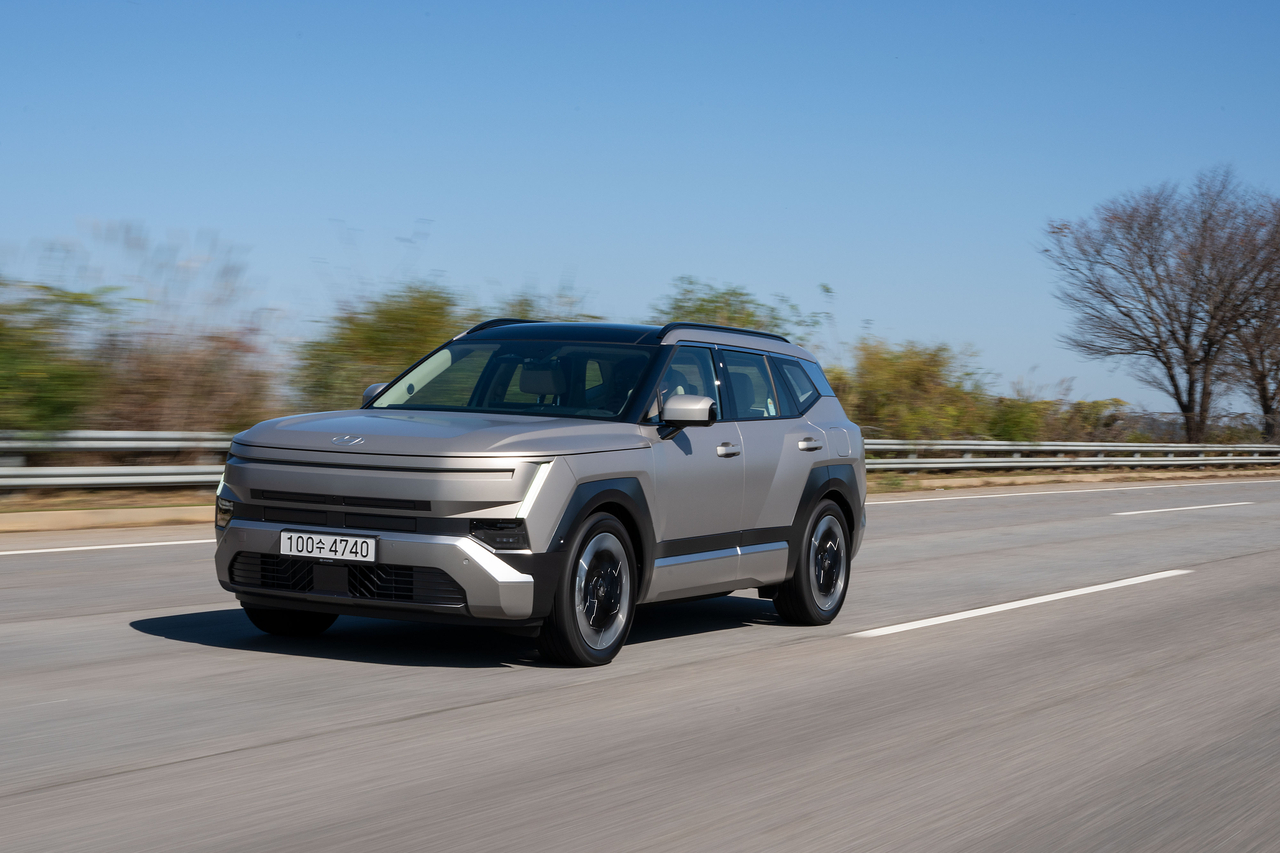
Having debuted in 2004, the Tucson achieved 10.53 million global cumulative sales last year, becoming Hyundai Motor’s third model to pass the monumental 10 million mark, after the Elantra and Accent sedans, making it the first SUV in its lineup to do so.
Firmly established as a core compact SUV across North America, South America, Europe, the Asia-Pacific region and Africa, the fifth-generation Tucson now returns with a full revamp. The new model features the vehicle’s boldest design upgrade yet, alongside Hyundai’s next-generation hybrid system, significantly sharpening its powertrain competitiveness in both power output and fuel efficiency.
To realize its boldest version of the “Art of Steel” design language, the new Tucson had to overcome significant manufacturing hurdles during body stamping. High-volume features such as the 20 percent larger rear fender and deep clamshell hood engine cover pushed steel sheet limits, causing both surface cracking and wrinkling.
Rather than compromising on design, Hyundai’s design and engineering teams collaborated from early development, running up to five times more virtual stamping simulations than typical development projects.
The engineering team resolved these issues by applying multidirectional tension control and multistage stamping, allowing the steel to flow smoothly into deep curves without tearing. Structural tweaks around the door openings balanced sheet tension across the rear fender, while specialized press controls and stamping tools eliminated microdistortions along the hood’s vertical edges.
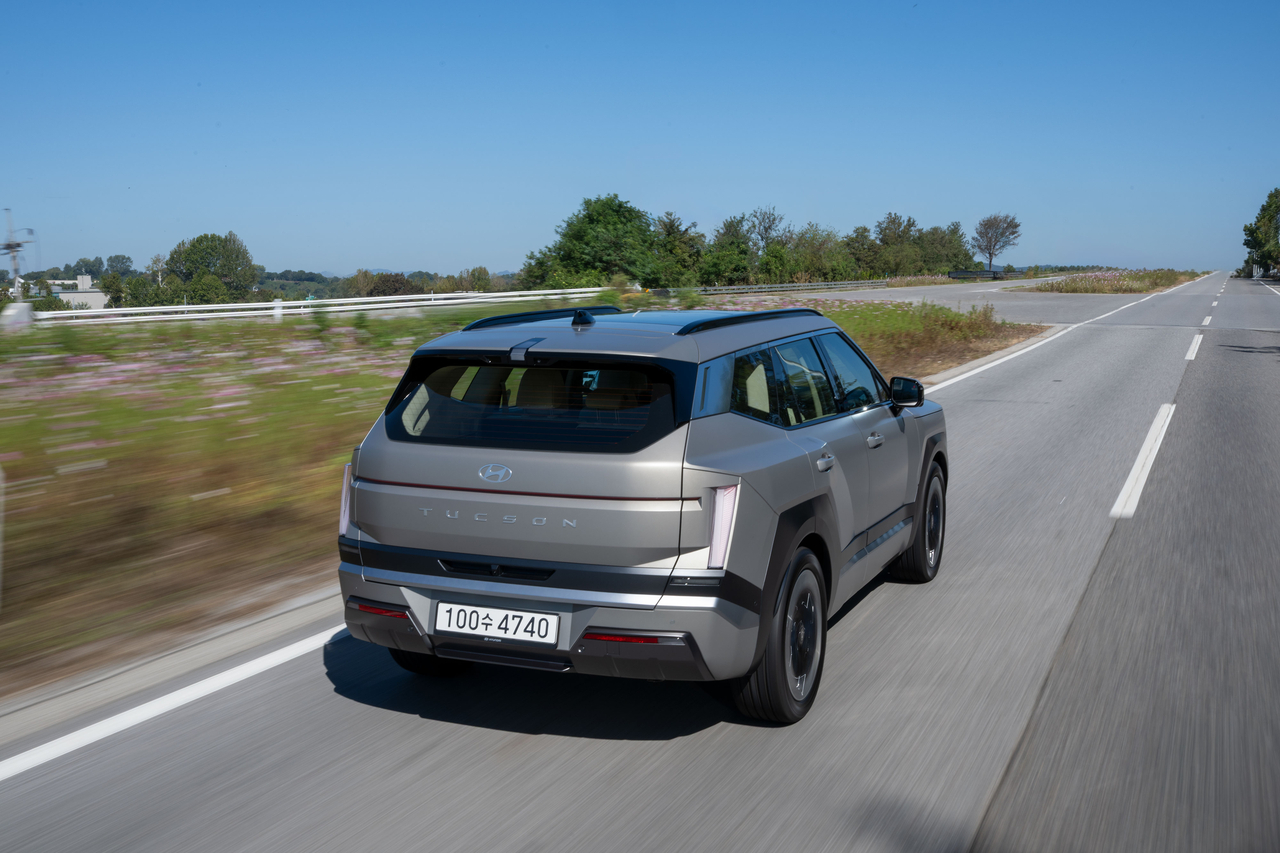
The all-new Tucson is more than just a design showcase. During a 92-kilometer media test drive across Gyeonggi Province on Wednesday, The Korea Herald took the 1.6-liter turbocharged gasoline variant for a spin, experiencing firsthand how its enlarged turbocharger delivers versatile handling and a powerful thrust.
On the highway, the vehicle smoothly accelerated past 100 kilometers per hour, maintaining momentum after easing off the pedal. Even during sudden acceleration, the vehicle remained composed with little sway or the body roll typically expected from a tall-riding SUV.
Deceleration was equally impressive. In city driving, when a vehicle ahead suddenly stopped, hard braking firmly slowed the SUV without unsettling the cabin.
On the downside, despite a series of noise, vibration and harshness as well as ride enhancements — including double-laminated acoustic glass for both rows, new valve shock absorbers, a 51 percent larger dash insulation pad and high-density floor carpeting — engine noise was still noticeable from the cabin. The vehicle felt light over speed bumps, but body sway remained quite noticeable.
However, the 1.6 Turbo Hybrid variant is expected to offer a quieter, more refined ride than the gasoline model. It also delivers better fuel economy with an official rating of 17.4 kilometers per liter — roughly a 7 percent improvement over its predecessor.
Powered by Hyundai’s next-generation TMED-II hybrid system, the all-new Tucson Hybrid utilizes a dual-motor setup to boost power output and efficiency, drawing energy from a 270-volt, 1.49 kilowatt-hour lithium-ion high-voltage battery pack.
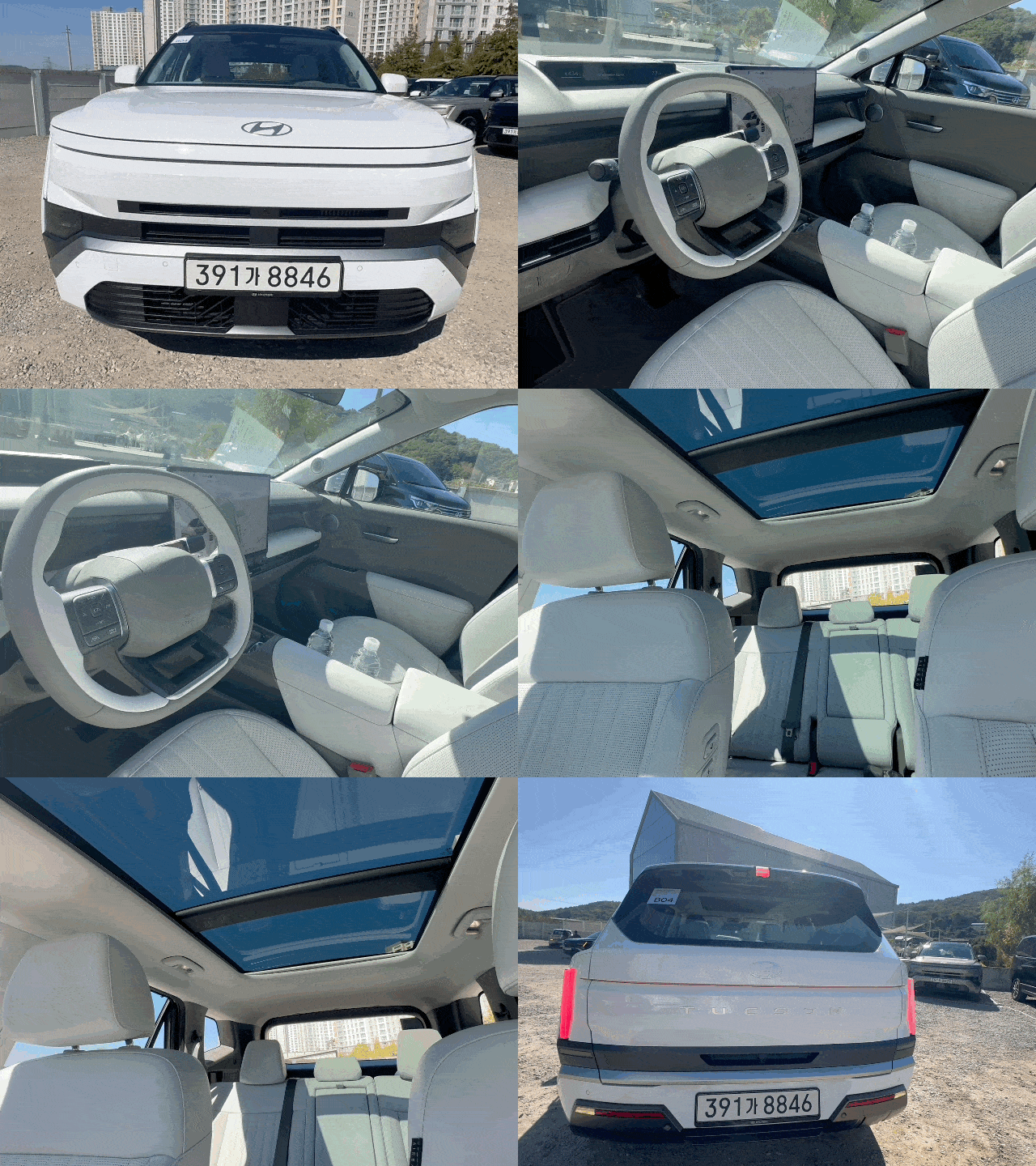
Despite its classification as a compact SUV, the Tucson now doubles down on family practicality. The larger exterior proportions translate to an enhanced interior space, expanding for 14 millimeters more legroom and 29 millimeters more headroom in the second row, with a 645-liter cargo volume — up by 23 liters — for gasoline versions.
Crash safety features have also been upgraded. The Tucson introduces Hyundai's first dual-power door unlock system, ensuring doors unlock even during a main power failure following a crash. It also increases the side-crash survival space by 23 percent.
hyejin2@heraldcorp.com